Primary Closed Angle Glaucoma (PCAG/PACG)
The test for this disease is Gonioscopy
Gonioscopy assesses the conformation of the eye's drainage angle. Depending on the presence and degree of abnormality, a grade is recorded.
Gonioscopy & glaucoma
Gonioscopy examines the eye's drainage angle and grades the result on a clear three-point scale — helping you and your breeder make informed decisions.
£60 / dog
gonioscopy or POAG test
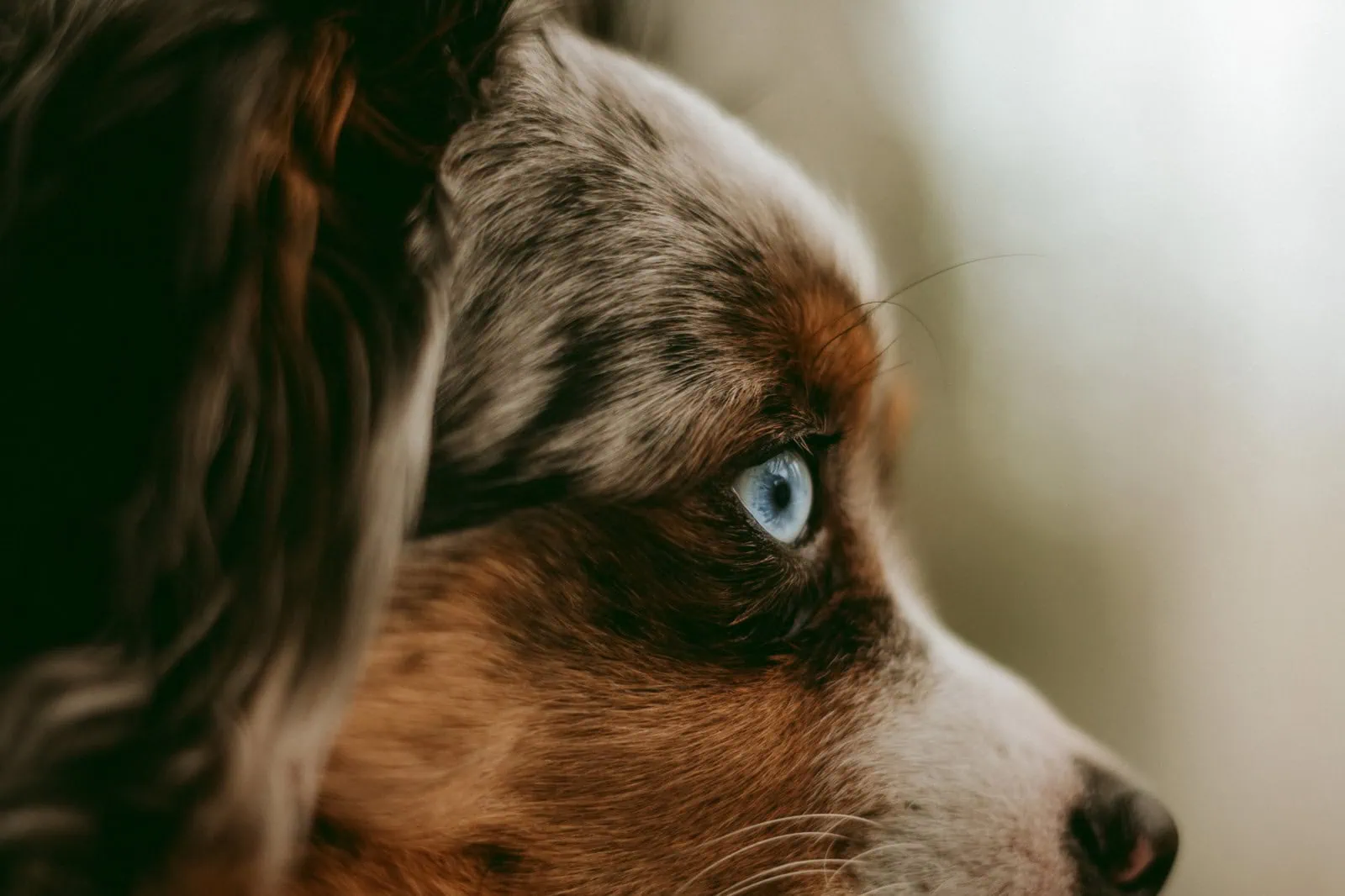
Glaucoma is a condition in which pressure builds within the eye. It can be painful and, if untreated, can lead to loss of sight. Some forms are inherited, which is why screening matters in predisposed breeds.
Two inherited types are screened through the eye scheme — each assessed differently, depending on your dog's breed requirements.
The test required depends on breed. Check the BVA list of known inherited ocular diseases (PDF).
Gonioscopy assesses the conformation of the eye's drainage angle. Depending on the presence and degree of abnormality, a grade is recorded.
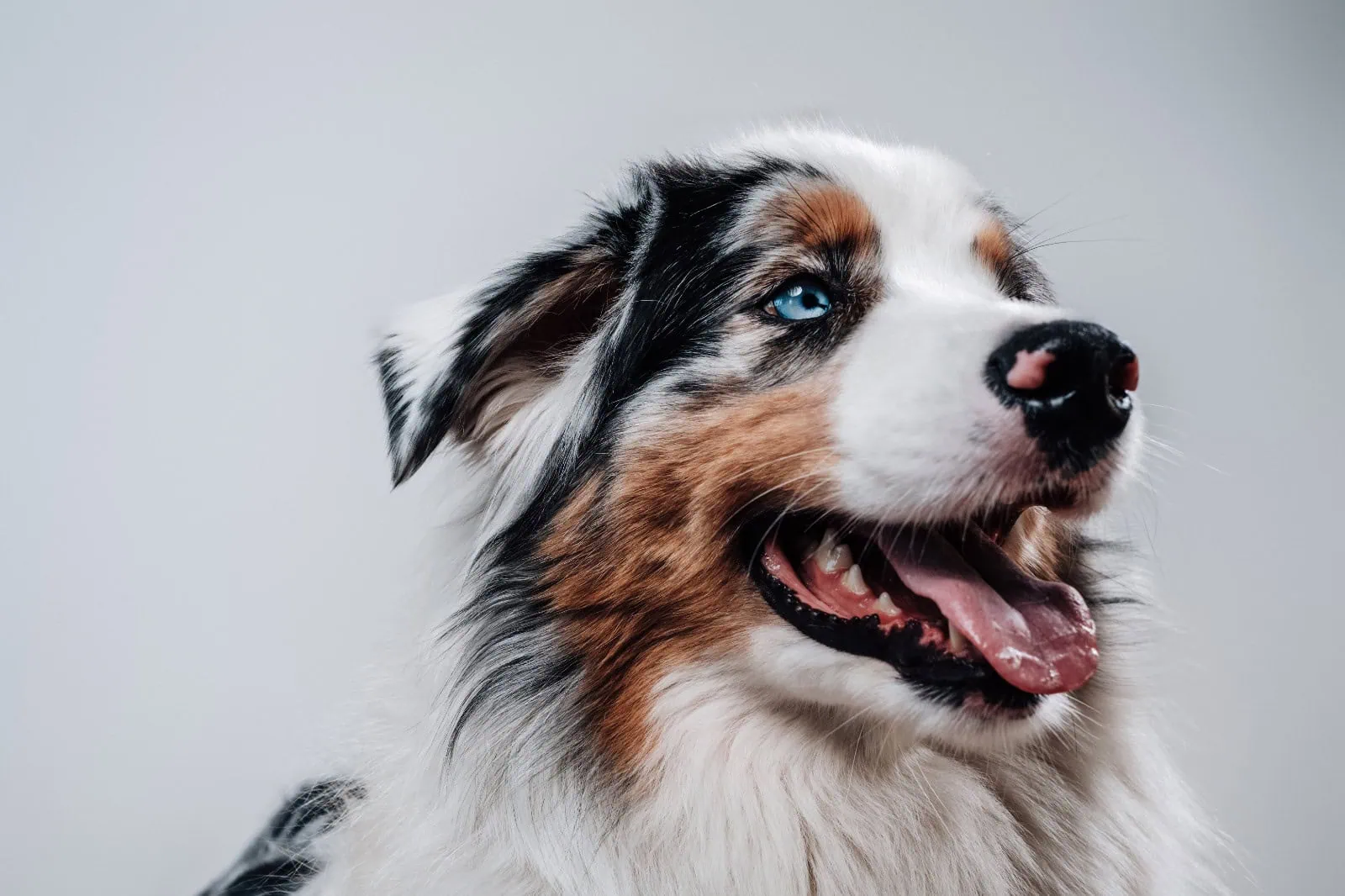
Gonioscopy is not used for this disease as the drainage angle is normal. Instead, tonometry is used to test the intraocular pressure of the eye.
Gonioscopy uses a special lens to view the drainage angle of the eye and the panellist grades how much of it appears abnormal, which indicates the level of risk. The result is recorded on your dog's eye scheme certificate and can inform breeding decisions, particularly in breeds where glaucoma risk is a concern.
Susceptible breeds should initially be screened from 6 months to 2 years of age. It is recommended that repeat testing is performed every 3 years.
For further information, visit the BVA Eye Scheme.
Secure your appointment in a few minutes with a £25 deposit. The outstanding balance is paid on the day by card.
£25 deposit, non-refundable · Balance paid on the day, by card · Booking terms